
Our Services
Safari
Our Tanzania Safaris
Whether you’re planning a classic wildlife safari, a family safari, a romantic honeymoon safari, an exclusive once-in-a-lifetime luxury adventure or a memorable celebration, we will design and customize the perfect itinerary for you. Whoever you are and whatever you are looking to do while on safari in Tanzania, we always aim to travel with purpose and give back to the communities!
Saadani National Park
Mafia Island
Zanzibar Archipelago
Mount Kilimanjaro
Lake Duluti
Lake Manyara National Park
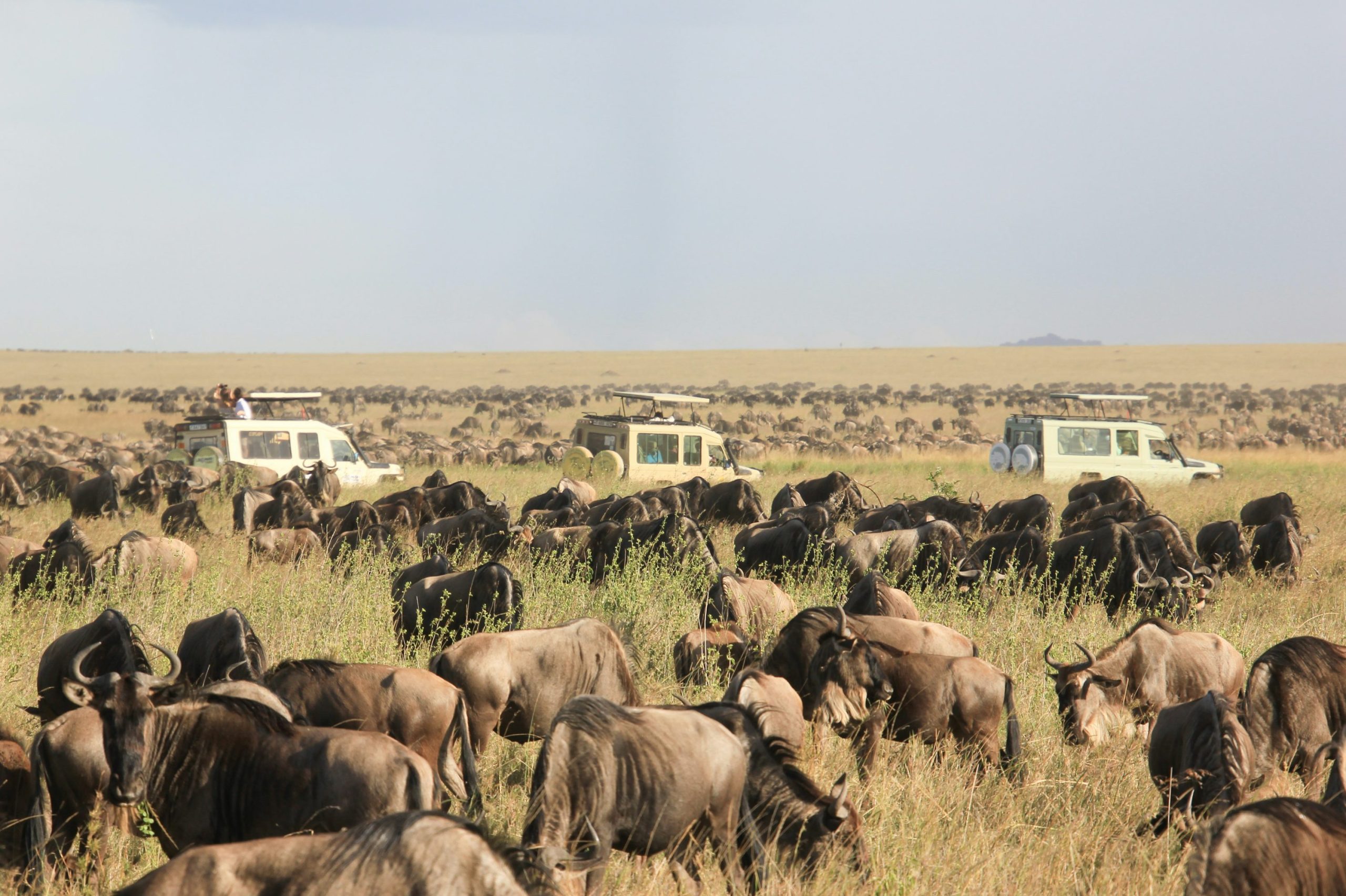
Serengeti National park
Discover Ngorongoro NP This vast park, spanning over 14,750 square kilometers, is renowned for its diverse ecosystems is known for its massive annual migration of wildebeest, gazelles and zebra. Seeking new pasture, the herds move north from their breeding grounds in the grassy southern plains. Many cross the marshy western corridor’s crocodile-infested Grumeti River. Others veer northeast to the Lobo Hills, home to black eagles. Here let us get you to know the Serengeti is home to an impressive array of other wildlife, including the Big Five (lion, leopard, elephant, buffalo, and rhinoceros). Cheetahs, hyenas, giraffes, and a variety of antelope species Birdwatching: With over 500 bird species, the Serengeti is a haven for bird enthusiasts. From the outsized ostrich to the peculiar secretary bird and colorful bee-eaters, birdwatching here can be as rewarding as the big game viewing. Cultural Experiences: You can also learn about the indigenous cultures such as the Maasai, who live around the park. Cultural tours and visits to Maasai villages allow for a deeper understanding of the local traditions and way of life. Our advice Visiting the Serengeti: The park has both the dry and wet seasons. The dry season is (June - October) generally considered the best time for wildlife viewing as animals gather around water sources. The wet season brings lush, green landscapes and fewer tourists, which some might find more appealing. However, the park is a year-round destination, with each season offering unique experiences
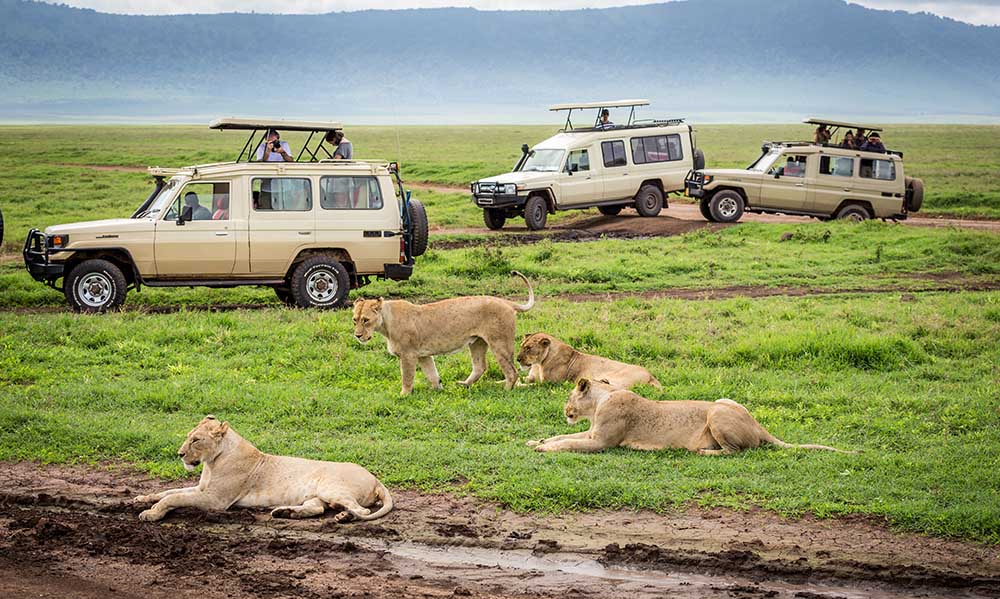
Ngorongoro Conservation Area
Discover Ngorongoro vast conservation area, spanning roughly 8,292 square kilometers, is unique as it integrates wildlife conservation with human habitation and is a protected area and a World Heritage Site located 180 km west of Arusha in the Crater Highlands Boom get to know this Ngorongoro Crater: is the world's largest inactive, intact, and unfilled volcanic caldera. The crater floor is a natural sanctuary for thousands of wild animals, including lions, elephants, rhinos, buffalo, and leopards, making it one of the few places in Africa where visitors can see the Big Five in close proximity. Wildlife Viewing: the crater is also home to cheetahs, wildebeest, zebras, and gazelles. The permanent water supply in the crater means that visitors can enjoy excellent game viewing all year round. Human History: is also a significant archaeological site, where evidence of early human evolution has been discovered. Sites like Olduvai Gorge, often referred to as "The Cradle of Mankind," have yielded fossils and remains of early hominins such as Homo habilis, making it a pivotal location for the study of human ancestry. Cultural Experience: The area is unique in allowing human habitation, particularly for the Maasai people, who graze their livestock alongside the free-ranging wildlife. This co-existence of humans and wildlife offers a unique cultural experience for visitors, who can learn about the Maasai way of life and their traditional practices through cultural tours. Birdwatching: There is also a fantastic location for birdwatchers, with more than 500 bird species recorded. The varied habitats, including forests, lakes, and swamps, attract a wide variety of birds, including flamingos at Lake Magadi in the crater itself. Our Advise Visiting Ngorongoro: The dry season (June - October) We generally considered the best time to visit for wildlife viewing as animals are more concentrated around water sources. However, the Ngorongoro Crater offers excellent game viewing opportunities throughout the year due to its enclosed nature and abundant wildlife.
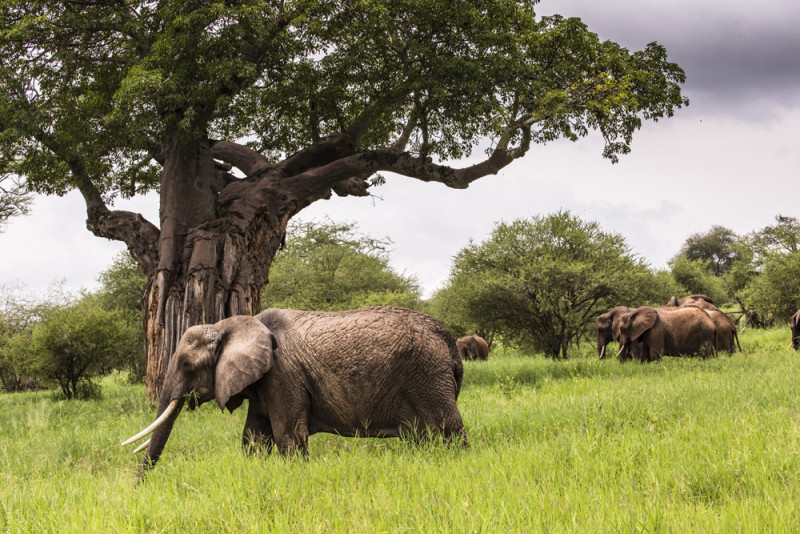
Tarangire National Park
Discover Tarangire The park covers an area of approximately 2,850 square kilometers it is a hidden gem known for its large elephant herds, majestic baobab trees, and diverse ecosystems. Experience Tarangire Elephant Population: Tarangire is renowned for having one of the highest densities of elephants in Tanzania. witness large herds of these magnificent creatures, often seen wandering among the iconic baobab trees or drinking from the Tarangire River. Migration and Resident Wildlife: Tarangire also experiences a local migratory pattern during the dry season, with wildlife such as wildebeest and zebras moving into the park in search of water, joining the resident predators, giraffes, and various antelope species. Walking Safaris and Night Drives: Tarangire offers the opportunity for guided walking safaris and night drives within the park boundaries. These activities offer a different perspective on the landscape and wildlife, providing thrilling encounters with nature. Birdlife: With over 500 bird species recorded, Tarangire is a birdwatcher's paradise. The park features a large number of diverse birdlife including breeding pairs of endangered species such as the ashy starling and the Rufous-tailed weaver, which are endemic to the area. Cultural Interactions: The park's proximity to local Maasai and Barabaig villages also offers opportunities for cultural interactions, allowing visitors to learn about the traditional lifestyles and customs of these communities.
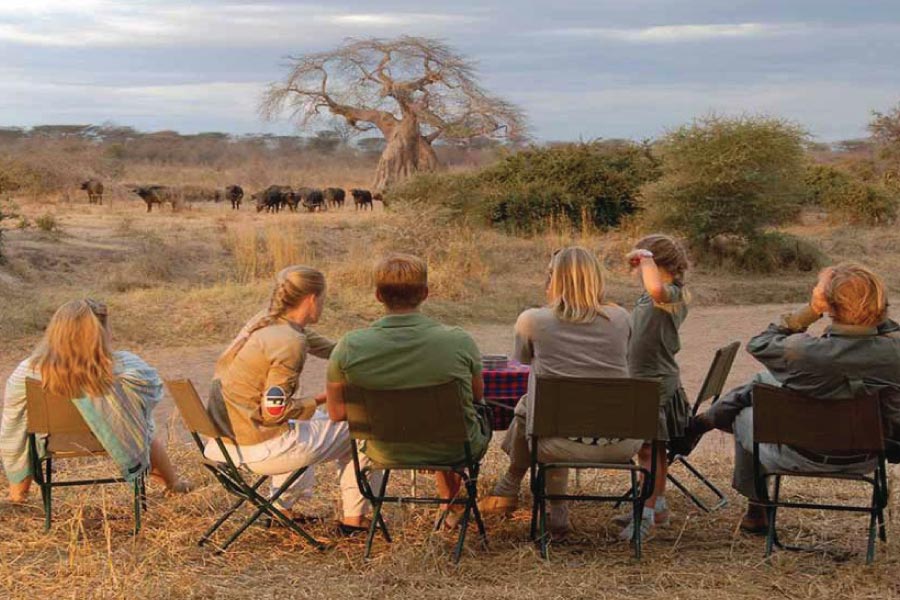
Ruaha National Park
Discover Ruaha National Park is the largest national park in the country, spanning over 20,000 square kilometers. Known for its rugged beauty and relatively unexplored landscapes, Ruaha offers a unique safari experience that is both remote and rich with wildlife. Here get to know RUAHA Diverse Wildlife: Ruaha is known for its high concentration of elephants, in East Africa. It also boasts a healthy population of predators, including lions, leopards, cheetahs, and one of the few strongholds for the endangered African wild dog. Great Ruaha River: The park is named after the Great Ruaha River, which flows along its southeastern border, serving as the lifeblood of the park. This river attracts various wildlife species, making it an excellent spot for game viewing, especially during the dry season when animals gather around the diminishing water sources. Birdlife: With more than 570 bird species recorded, Ruaha is a paradise for birdwatchers. The park's varied habitats, from its rugged rocky outcrops to the river systems and extensive miombo woodlands, make it one of the richest ecosystems for avian species in East Africa. Cultural Interactions: The park is surrounded by various ethnic groups, including the Hehe, Bena, and Barabaig people, as well as the famous Maasai. Cultural tours and interactions can provide insight into the traditional lifestyles and practices of these communities.
Selous Game Reserve
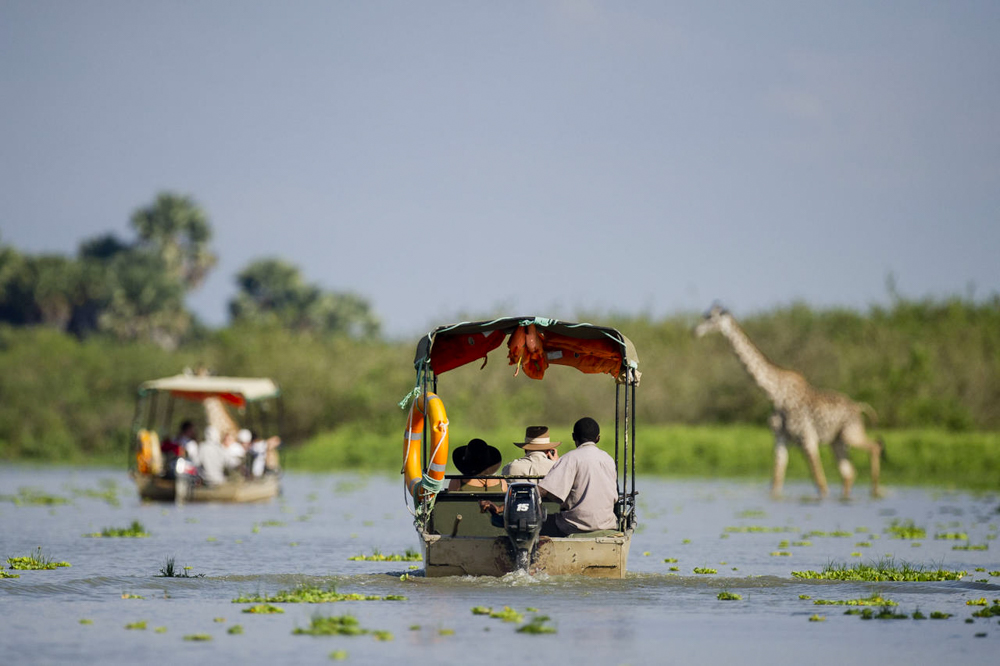
Discover Selous Game Reserve Covering over 30,000 square kilometers in southern Tanzania. Selous Game Reserve, officially renamed to Nyerere National Park in 2019 to honor Tanzania's first president, Julius Nyerere. The taste of Nyerere NP Vast Wilderness: As one of the largest protected areas in Africa, offers vast tracts of wilderness that are relatively untouched by human influence, providing a more secluded and intimate safari experience Rich Biodiversity: one of the largest remaining in the world, It is particularly famous for its wild dog population. The reserve is a home to large populations of elephants, wild dogs, buffaloes, hippos, crocodiles, and a variety of antelope species. Birdwatching: With over 440 bird species recorded, the Selous Game Reserve is a paradise for birdwatchers. from wetlands to dry bush, attract a wide variety of birdlife. Riverine Landscapes: The Rufiji River, which bisects the reserve, is a key ecological feature. It provides essential water sources and creates a network of lakes, channels, and swamps that host an incredible diversity of wildlife and offer unique safari experiences, such as boat safaris. Walking and Fly Camping Safaris: Selous is one of the few places in Tanzania where walking safaris are allowed. These safaris offer a unique perspective of the African bush, providing an up-close and personal experience with the natural environment. Photographic Safaris: The reserve's untouched natural beauty and abundance of wildlife make it an ideal destination for wildlife photography. Photographers can capture stunning images of animals in their natural habitats, often without the interference of crowds. Cultural Experiences: While wildlife is the primary draw, the reserve also offers cultural interactions with local communities living around the park boundaries. These experiences provide insight into the traditional lifestyles and practices of Tanzanian tribes.
Arusha National Park
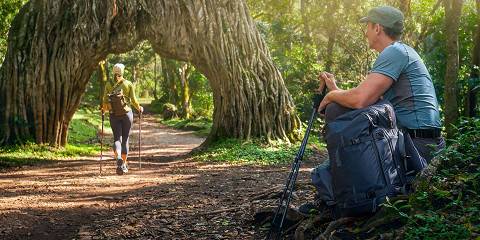
Discover Arusha National Park It covers 552 square kilometers, it is 25 kilometers Northeast from Arusha City. It is famous and popular for being a home to the second Tanzania’s highest Mountain Meru and the world’s largest population of giraffes. It harbors incredible wildlife species like buffaloes, bushbucks, warthogs, zebras, red duikers, elephants, leopards, hippos, primates like black and white colobus monkey vervet monkeys, blue monkeys, bird species like flamingos, African Fish Eagles, grey crowned crane, hartlaubs turaco, secretary birds among others. Explore Arusha National Park Momela Lake and canoeing ride Ngurudoto crater and museum Tululusia hill Guided nature walks Birdwatching Horse back ridding Our Advise Visiting Arusha NP: the dry season June – October is the best time vegetation of the park is short giving a chance to easily view the animals and game viewing trails are relatively short which makes it easily to drive through the park. For better bird viewing experience is in the month of November – April because it is in this period where immigratory birds species from Europe and north Africa are present in the park
Lake Manyara National Park
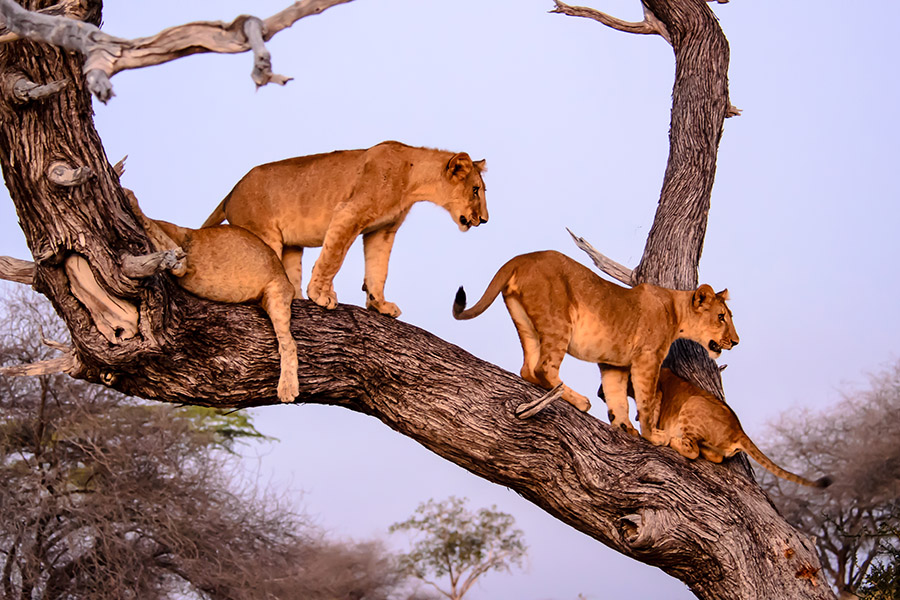
Discover Lake Manyara It covering about 330 square kilometers, of which up to two-thirds can be the lake itself during the wet season, the park, nestled at the base of the Great Rift Valley escarpment in northern Tanzania, is a scenic gem The best of Lake Manyara NP consist of Tree-Climbing Lions: a rare and fascinating behavior not commonly observed in other lion populations. These lions have been known to ascend branches, giving them a cooler place to rest away from the heat and a vantage point for spotting prey. Diverse Birdlife: The park is a haven for birdwatchers, with over 400 species of birds documented. The alkaline Lake Manyara attracts vast flocks of flamingos, along with other water birds such as pelicans, storks, and herons during the wet season Hot Springs: The Maji Moto hot springs offer a natural and scenic hot water spring located within the park. These springs are a great spot for a mid-safari break and provide unique photo opportunities. Elephant Population: Despite its smaller size, the park supports a sizable population of elephants, which are often seen ambling in the forested areas and grazing in the clearings Forest Primates: The groundwater forest near the park entrance is dense with mahogany and fig trees, home to troops of baboons and blue monkeys. Vervet monkeys and even nocturnal bushbabies can be spotted in the forest canopy. Varied Ecosystems: Lake Manyara offers varied ecosystems; from the rift wall and forest to the grasslands and the lake itself. Each ecosystem supports a different set of species, making the park a microcosm of East African nature. Cultural Tours: Adjacent to the park, visitors have the opportunity to engage with local communities, including the Mto wa Mbu village, which offers cultural tours showcasing the diverse cultures of Tanzania with over 120 tribes represented in one village.
Lake Duluti
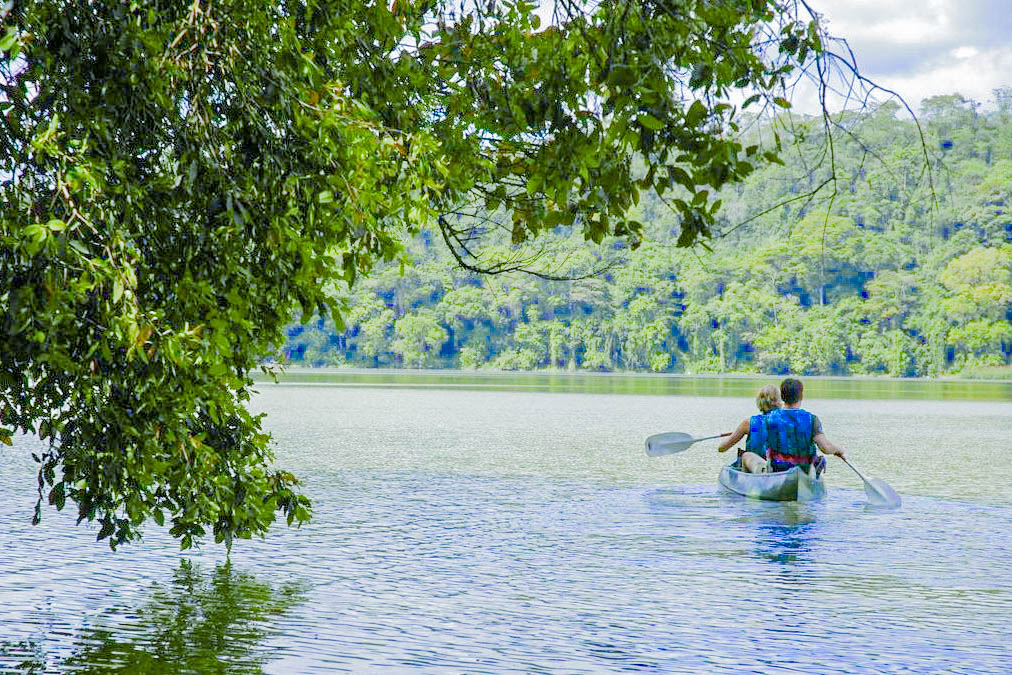
Get to know Lake Duluti It is an old crater that became a lake. The lake is incredibly shallow about 700meters deep, but it’s unconfirmed till this day. It is a paradise for reptiles and birds. Monitor lizards can be seen sunbathing on the edge of the lake and a great variety of birds have made their homes here. Occasionally monkeys can be seen swinging from the treetops on the edge of the lake. The best of Lake Duluti have a guided hike around the lake and take the kanoe out for a spin. During the hike you will explore the lake and learn about its interesting history, variety of animals and its flora & fauna. grab a kanoe and paddle around the lake to spot some monitor lizards or just float around in the sun. Upon returning there’s loads of time to relax, have a swim in the lake and drink a beer at the forest club. Bird viewing
MOUNTAIN CLIMBING
Our Full Range of Services
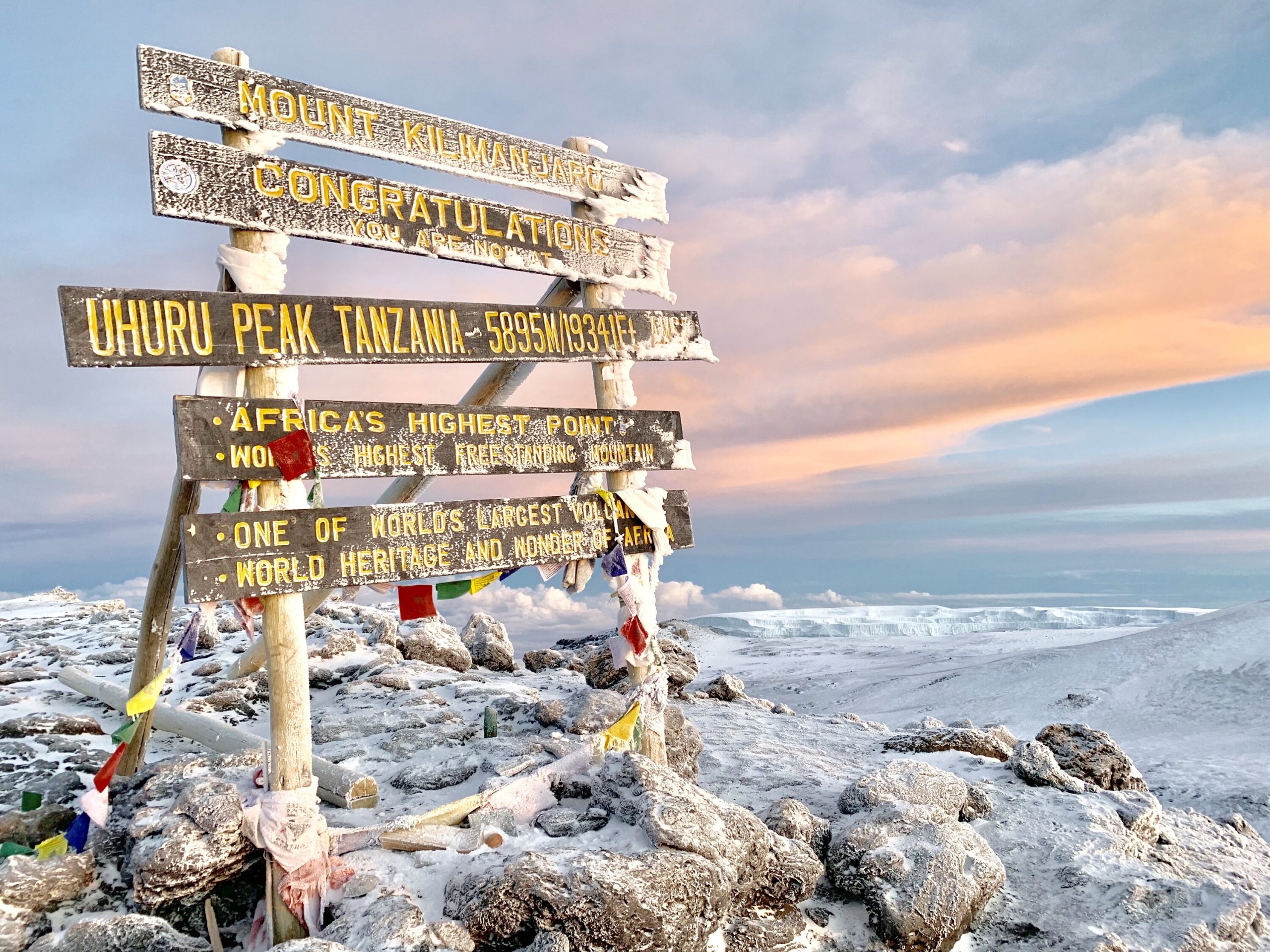
Mount Kilimanjaro
Discover Kilimanjaro Mountain It is the highest mountain in Africa at about 5,895 meters (19,341 feet) above the sea level. Standing a chance as a top one of the continent’s most iconic landmarks. It has two peaks of Kibo and Mawenzi The best of Kilimanjaro Mountain Climatic Zones: it posses five distinct climatic zones, the cultivated lower slopes, rising through rainforest, moorland, alpine desert, and culminating in the icy arctic summit. Each zone offers its own unique flora and fauna and dramatically different landscapes. Climbing Routes: There are several routes to reach the summit, each varying in distance, difficulty, and scenery. The most popular are the Marangu Route, known as the "Coca-Cola" route, which offers sleeping huts; the Machame Route, favored for its scenic beauty; and the Lemosho Route, celebrated for its ideal balance of low traffic, beautiful scenery, and a high summit success rate. Climbing Kilimanjaro: is a major feat that attracts thousands of climbers each year. The climb, which can take anywhere from 5 to 9 days depending on the route, does not require technical climbing skills but demands a good level of physical fitness and proper acclimatization to cope with the high altitudes. Wildlife and Flora: While the summit area is too harsh for wildlife, the forested slopes are home to various animals, including elephants, leopards, and buffaloes, as well as unique plant species like the giant lobelias and groundsel that become prominent in the higher moorland zone. Cultural Significance: Kilimanjaro holds a sacred place in the heart of the local Chagga people and has been a subject of many local legends and folklore. The mountain has also attracted global attention from poets, writers, and musicians, inspired by its majestic snow-capped summit.
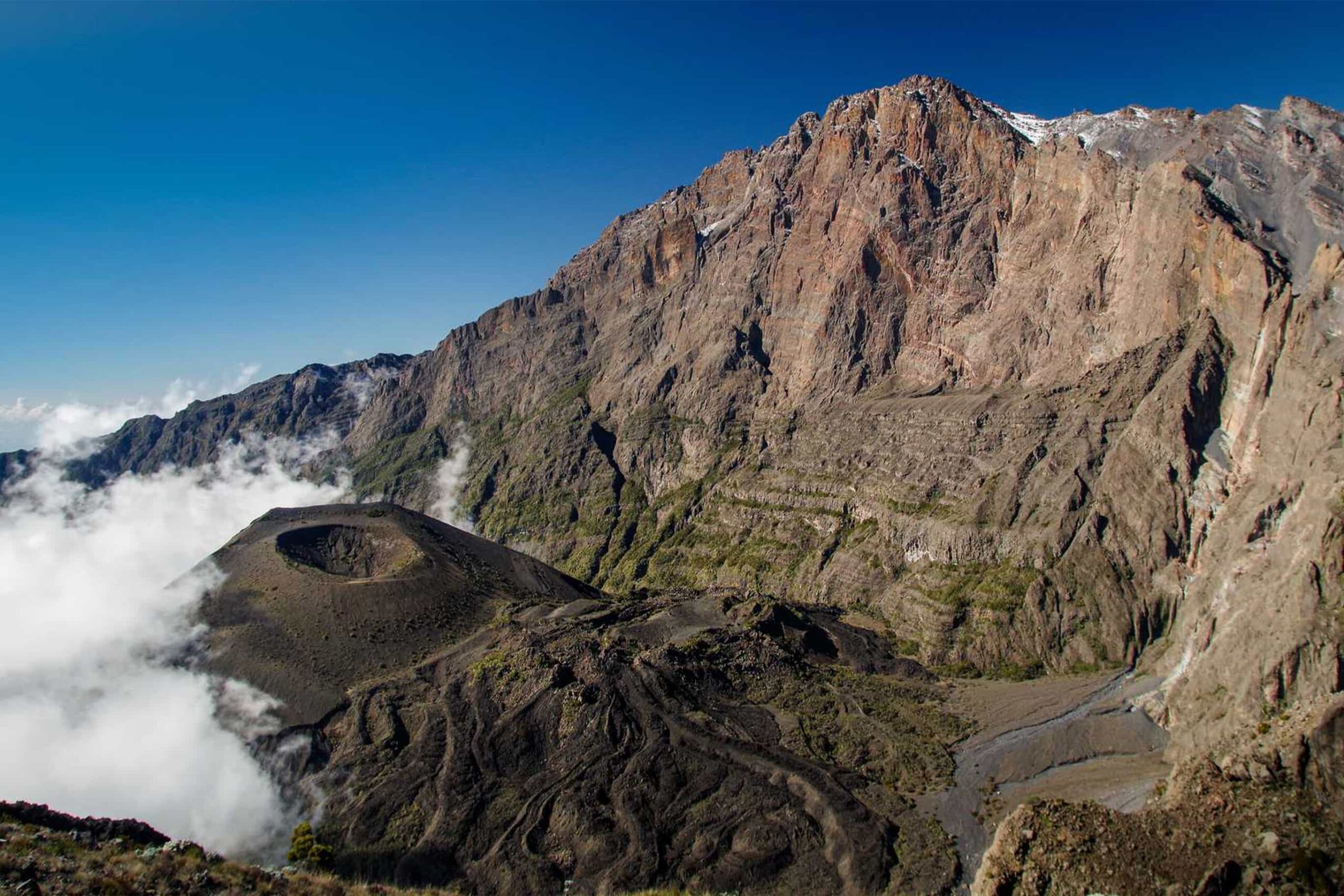
Mount Meru
Explore Mount Meru It is one of Africa’s best trekking mountain due to the incredible views from its crater It covers a height of about 4,566 meters (14,980 feet) above the see level which mark it as a 5th tallest Mountain in Africa. Mount Meru in Tanzania is a safer climb, and it offers an attainable challenge for trekking enthusiasts. know the best from Meru Mountains Wildlife, Flora and Fauna: Mount Meru towers over Arusha National Park, and you will see an array of wildlife on your trek. On the lower slopes, you will encounter antelopes, buffalos, and other majestic animals. You will pass through several climate zones during your ascent, including grasslands, tropical rainforest, moorlands, desert, and ice and snow at the top. Climbing: Mount Meru offers a more challenging climb, requiring some climbing experience. It is sometimes used as a "warm-up" climb for Kilimanjaro, especially for acclimatization Climbing Routes: Mount Meru has two peaks: the highest point, Meru Summit, and Ash Cone, a peak inside the crater formed by more recent volcanic activity. Views: From the summit, clear day views include the Great Rift Valley, Kitumbeini and Gelai volcanoes, and Mount Kilimanjaro
ZANZIBAR HOLIDAYS
Our Full Range of Services
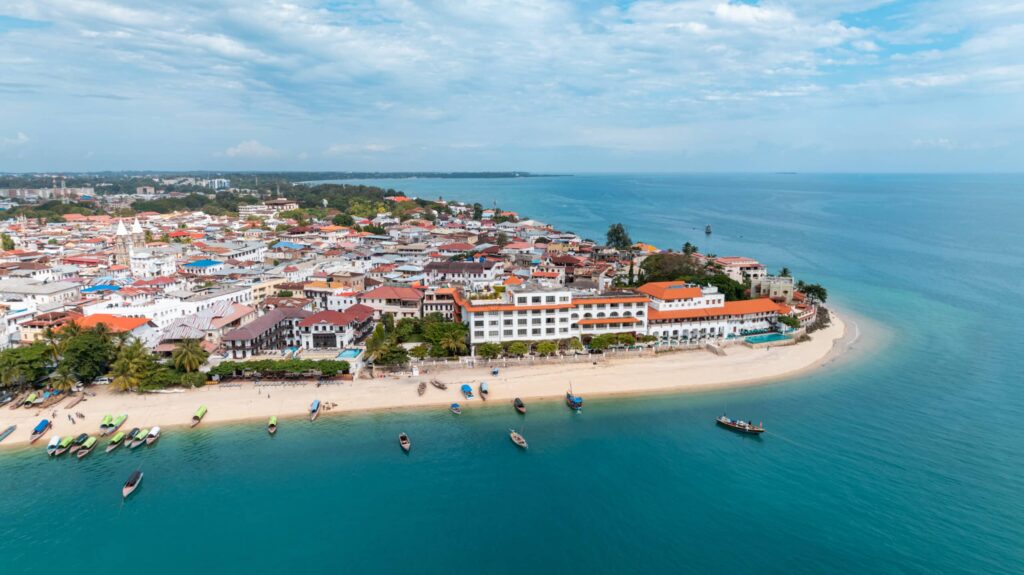
Zanzibar Archipelago
Discover Zanzibar It is prefound in the Indian Ocean just off the coast of Tanzania, is renowned for its rich history, vibrant culture, and stunning natural beauty. Comprising two main islands—Unguja (commonly referred to as Zanzibar Island) and Pemba—along with numerous smaller islets, Zanzibar is a place where history, culture, and natural beauty converge in a captivating tropical setting. The sweetness of Zanzibar Stone Town: The historic heart of Zanzibar Island, Stone Town, characterized by a labyrinth of narrow alleys, bustling bazaars, mosques, and grand Arab houses. Walking through Stone Town, you can feel the layers of history, from the Sultan’s palaces and Portuguese forts to the haunting reminders of the island’s role in the slave trade. Cultural Tours: Visitors can immerse themselves in local culture through village tours, cooking classes, music and dance performances. The interaction with local communities provides insight into the Swahili culture that is an integral part of the archipelago’s identity. Beautiful Beaches: Zanzibar boasts some of the most beautiful beaches in the world, with powdery white sand and clear turquoise waters. Beaches like Nungwi, Kendwa, Paje, and Matemwe offer picturesque settings for relaxation, sunbathing, and a variety of water sports. Diving and Snorkeling: The waters around the Zanzibar Archipelago are rich in marine biodiversity, making it a premier destination for diving and snorkeling. The coral reefs are home to hundreds of species of coral and colorful fish, and the water clarity provides excellent visibility. Spice Farms: Zanzibar is often called the "Spice Island" due to its historic role as a major producer of spices such as cloves, nutmeg, cinnamon, and black pepper. Visitors can tour spice farms to learn about the cultivation and uses of these spices and enjoy a sensory experience that highlights the island’s culinary heritage.
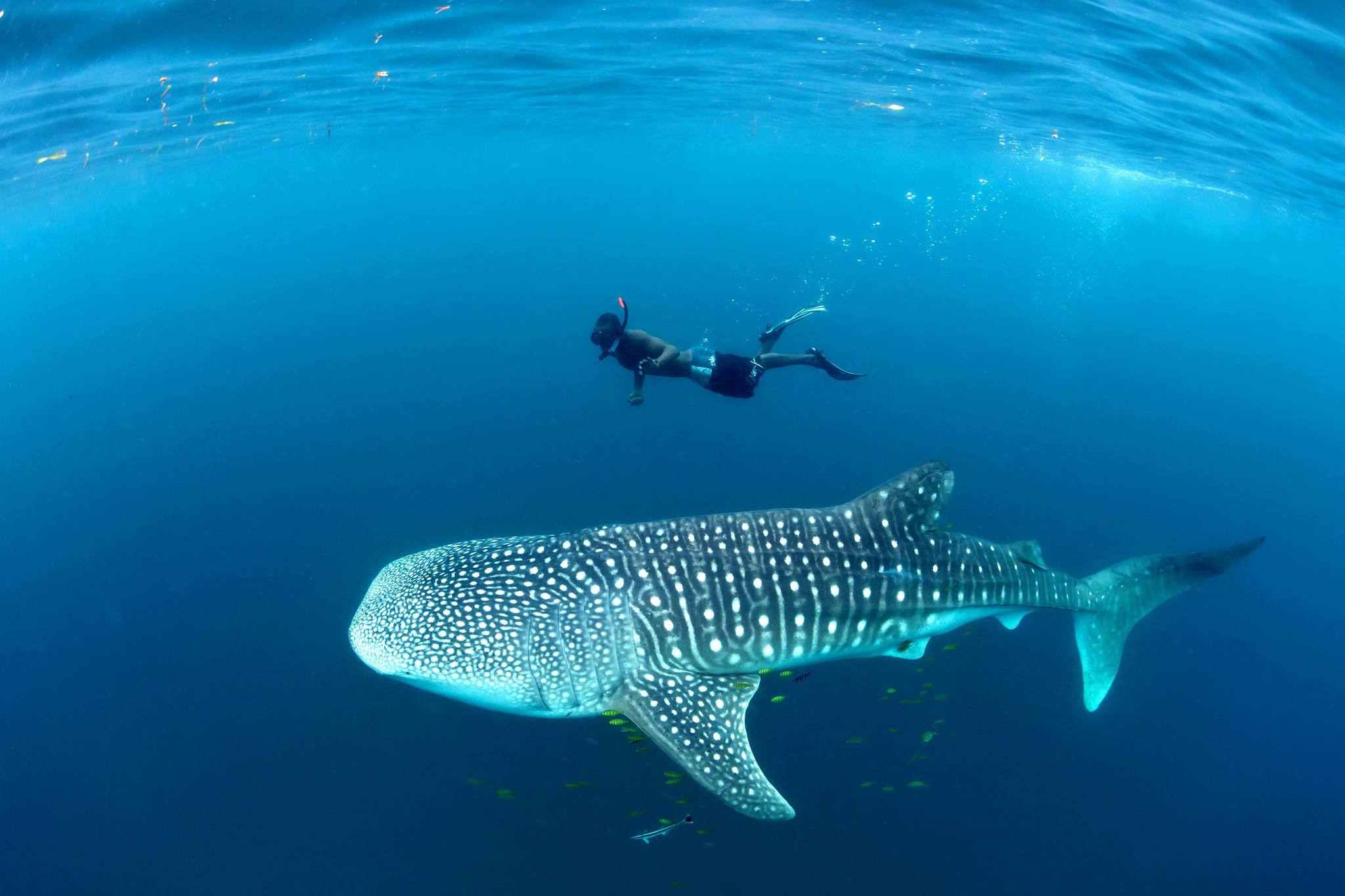
Mafia Island
Discover Mafia Island It covers over 822 square kilometers as a serene and lesser-known gem off the coast of Tanzania, it is Known for its relaxed atmosphere and stunning natural beauty, Mafia Island is surrounded by a barrier reef teeming with marine life, making it an excellent destination for diving and snorkeling enthusiasts. The beauty of Mafia Island Marine Park: Mafia Island is home to Tanzania's first marine park. It is richest coral reefs in the world. These vibrant coral gardens are inhabited by more than 400 species of fish and an impressive array of other marine life. Diving and Snorkeling: The island's clear, protected waters offer some of the best diving and snorkeling experiences in East Africa. Popular dive sites include Kinasi Pass, Chole Bay, and the outer reefs. The underwater visibility is excellent, often exceeding 30 meters, allowing divers and snorkelers to explore the underwater coral formations and marine life in detail. Whale Sharks: Mafia Island is one of the best places in the world to swim with whale sharks. These gentle giants are most commonly seen from October to March when they come to feed on the plankton-rich waters close to the island's shores. Bird Watching and Nature Walks: it also offers excellent bird watching and nature walks through lush coconut plantations and along scenic coastal paths. Cultural Heritage: The island has a rich history influenced by Arabic, German, and British rule, evident in its architecture and cultural sites. Visitors can explore the ruins of the German-built lighthouse at Ras Mkumbi, the old trading town of Kua on Chole Island, and traditional Swahili settlements. Relaxed Atmosphere: Unlike its more famous neighbor, Zanzibar, Mafia Island is less commercialized and offers a more relaxed and authentic experience. The pace of life here is slow, making it a perfect retreat for those looking to escape the hustle and bustle of busier tourist destinations.
Saadani National Park
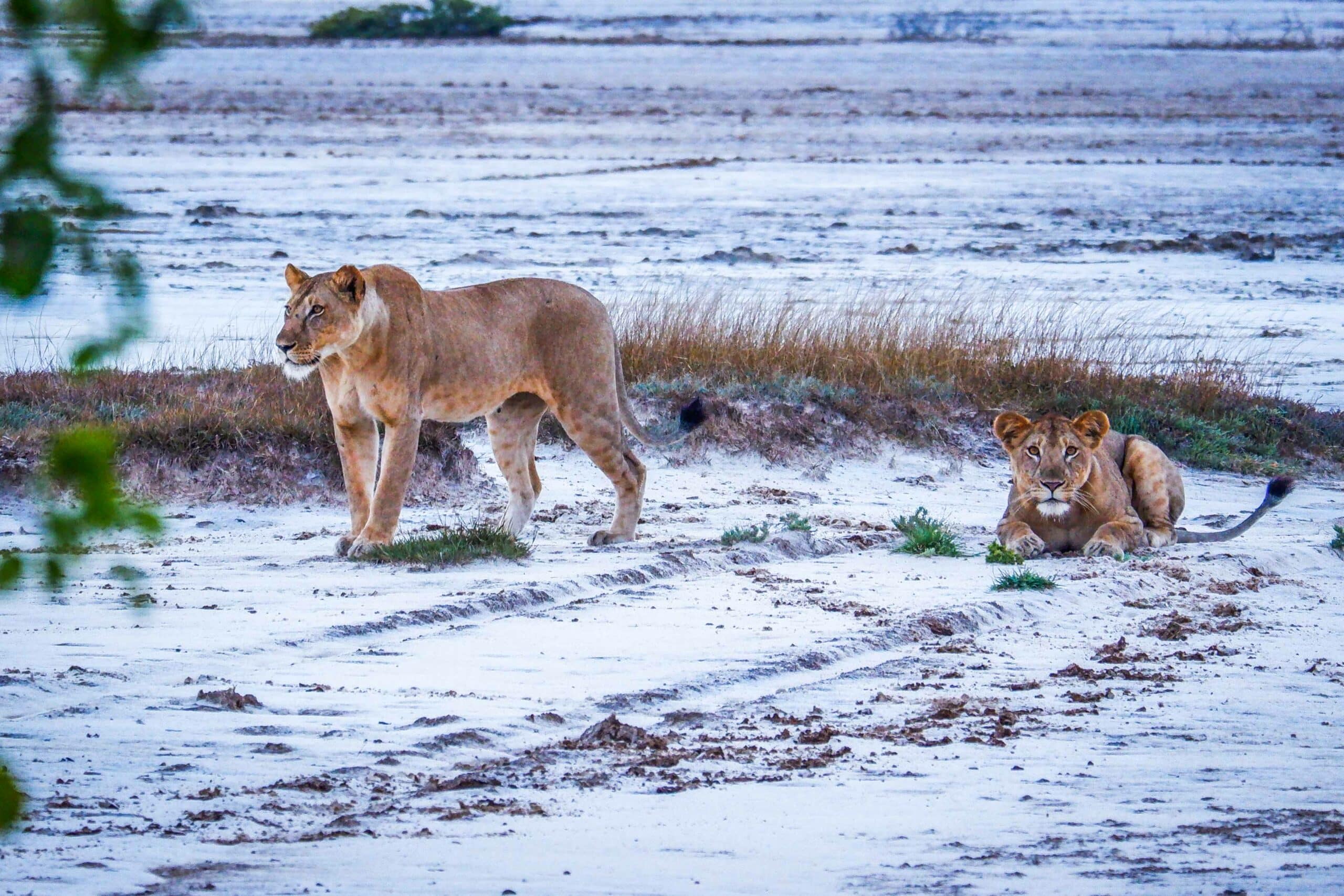
Discover Saadani NP Where the bush meet beach, being the only National Park that harbors both marine and terrestrial habitats, has plenty of marine life and large numbers of wild animals. Visitor to this place will have an opportunity to do a game drive in the savannah part of the park and enjoy the beautiful unspoiled beach that lies within the Park. The best of Saadan National Park Wildlife: The Park is home to a variable mix of both marine and mainland flora and fauna most notably waterbucks, giraffes, warthogs, hartebeests, elephants, hippos, crocodiles, water birds. Also the superb scenic beauty of marine - terrestrial interface and the natural Mafui sandbank. Wami River: passes through Saadani and empties into the indian ocean. It hosts a large population of hippos, crocodiles, flamingos and many water bird species. Plan to see the Elephants bathing and playing in wami river especially on the early hours of the morning. Boat Safari: at the delta of Wami river and the ocean. Boat safaris are relaxing and enjoyable. There is a chance you can spot hippos, crocodiles and many birds and it is interesting to watch the vegetation along the banks of the Wami River change with decreasing salinity of water as you move up the river. Boat safaris is also the best selection to see marine and riverine birds like kingfisher and lesser flamingos Walking Safari and Game Drive: on natural trails of saadani gets you close to nature and immerse in active game watching. Once you set foot into the vast plains, walk through the thick canopies or landscapes, there is an overwhelming sense of becoming one with nature. You will experience the real thrill as you get to see animals that you may not see when driving. Game drive will reward you with glimpse of elephants, hippos, lions, giraffe, zebra, warthog, buffalo, leopard, hyenas to mention a few.

15+
Our Projects
- Airport Transfer
- Chauffeurs Driven Services
- Corporate Car Rentals
- Self - Drive Car Rentals
- Short & Long term Rental
Your adventure starts here. Explore. Discover. Live the Experience.
Contact us today to schedule a consultation or to learn more.